Planning the Perfect Business Trip

Great business trip planning doesn't feel complicated to the traveler. It feels easy: the flight is what they expected, the airport is smooth, the hotel supports their routine, and getting around doesn't drain time or energy.
This article focuses on the small decisions that quietly make (or break) a business trip across four key moments: Air, Airport, Hotel, and Car. Along the way, we'll call out the business travel essentials and travel planning tools that help you deliver a better experience.
The "Perfect Trip" Mindset: Remove Friction, Protect Energy
When something goes wrong on the road, it's rarely the big picture—it's the details: a "business" ticket that can't be changed, TSA PreCheck missing on the boarding pass, a hotel that looks close on a map but adds 45 minutes of commuting, or a rental car pickup that requires an unexpected shuttle.
If you want to make a measurable difference for travelers, aim for three outcomes:
- Clarity: they understand what they're getting (and what they're not).
- Continuity: their routine holds up across airports, hotels, and ground transport.
- Confidence: fewer surprises means less stress, better focus, better meetings.
Air: Book the Experience You Actually Intend to Provide
It usually starts with a simple request: "Can you book me the best option?" The problem is that "best" is different for different travelers—and even within the same cabin, two tickets can behave very differently.
Class of Service vs. Fare Class
Class of service is the cabin (first, business, premium economy, economy). Fare class is the rulebook attached to the ticket—what's included, what's flexible, and what costs extra.
- Class of service (cabin): the physical seat and onboard experience (space, meals, bed).
- Fare class (booking/fare class): the conditions (refunds, changes, seat selection, baggage, points earning, upgrade eligibility).
That distinction matters because a traveler can be in the same economy cabin but have a very different trip day depending on whether seat selection is included, changes are allowed, or a carry-on is restricted.
A Quick Cabin Overview
- First: maximum privacy and space; premium dining (where offered); priority service across check-in, boarding, and baggage.
- Business: lie-flat or recliner seating depending on route; enhanced meals and service; priority airport experience and often lounge access.
- Premium Economy: extra legroom and added comfort vs. economy (benefits vary).
- Economy: standard seating and basic onboard service; add-ons for seats/bags; flexibility depends heavily on fare rules.
Note: features vary by airline, aircraft, route, and fare type.
"Know What You Are Booking": The 60-Second Check
Airlines use branded names that sound friendly—but the fare rules are what protect your traveler when plans change. Before you hit "purchase," confirm:
- Refunds (if any) and cancellation/credit rules
- Changes (allowed vs. not; fees; same-day options)
- Seat selection (included, restricted, or paid)
- Baggage (carry-on rules; checked bag allowance)
- Loyalty points earning and upgrade eligibility
- Lounge access (if it matters for this itinerary)
This is where travel planning tools and a clear booking interface help—because they make the "fine print" visible when you need it most.
How to Choose the "Best" Flight
- If the traveler's calendar is likely to move: prioritize change/refund rules over cabin branding.
- If the traveler needs to arrive sharp: prioritize schedule, aircraft/seat type, and connection risk over small price differences.
Airport: Turn Waiting Time into Recovery Time
The airport can be the most draining part of a trip—or the one place your traveler gets a breather. Two things make the difference: understanding what the traveler already has (status, lounge access), and ensuring their profile details are accurate so security doesn't become a surprise obstacle.
Consider Personal Status and Lounge Access
Many travelers hold airline status or lounge access through loyalty programs or premium credit cards. That access is personal—not a corporate policy benefit—but it should still influence your business trip planning, especially:
- when a city has multiple airports,
- when there's a connection, or
- when the traveler will be working between flights.
A lounge can mean comfort, food and beverages, strong Wi-Fi, quieter space, and sometimes showers—small things that add up to a better meeting day.
"Getting Recognized" Reduces Friction
Status can also streamline the journey: dedicated check-in counters, priority boarding, and sometimes faster baggage handling. When you know your traveler's status, you can make choices that match the experience they're used to.
The Three Profile Fields That Prevent Avoidable Hassles
If you only validate three items in a traveler's profile, make them these:
- Known Traveler Number (KTN): a trusted traveler ID used to link eligibility.
- TSA PreCheck: expedited screening in the U.S. (appears on the boarding pass when correctly attached).
- Redress Number: helps resolve identity mix-ups that can trigger extra screening.
Day-of tip: at check-in, confirm the boarding pass shows TSA PreCheck (USA) or NEXUS (Canada–USA) when the traveler expects it.
Know the Airport (So You Can Plan Like a Local)
Some airports are simply harder to navigate. Knowing the layout helps you recommend smarter buffers and better backup plans. When time is tight, focus on what directly affects flow:
- security checkpoints and terminal transfers,
- gate clusters,
- lounge locations (if applicable),
- reliable food/coffee spots,
- charging/workspaces, and
- ground transportation pickup zones.
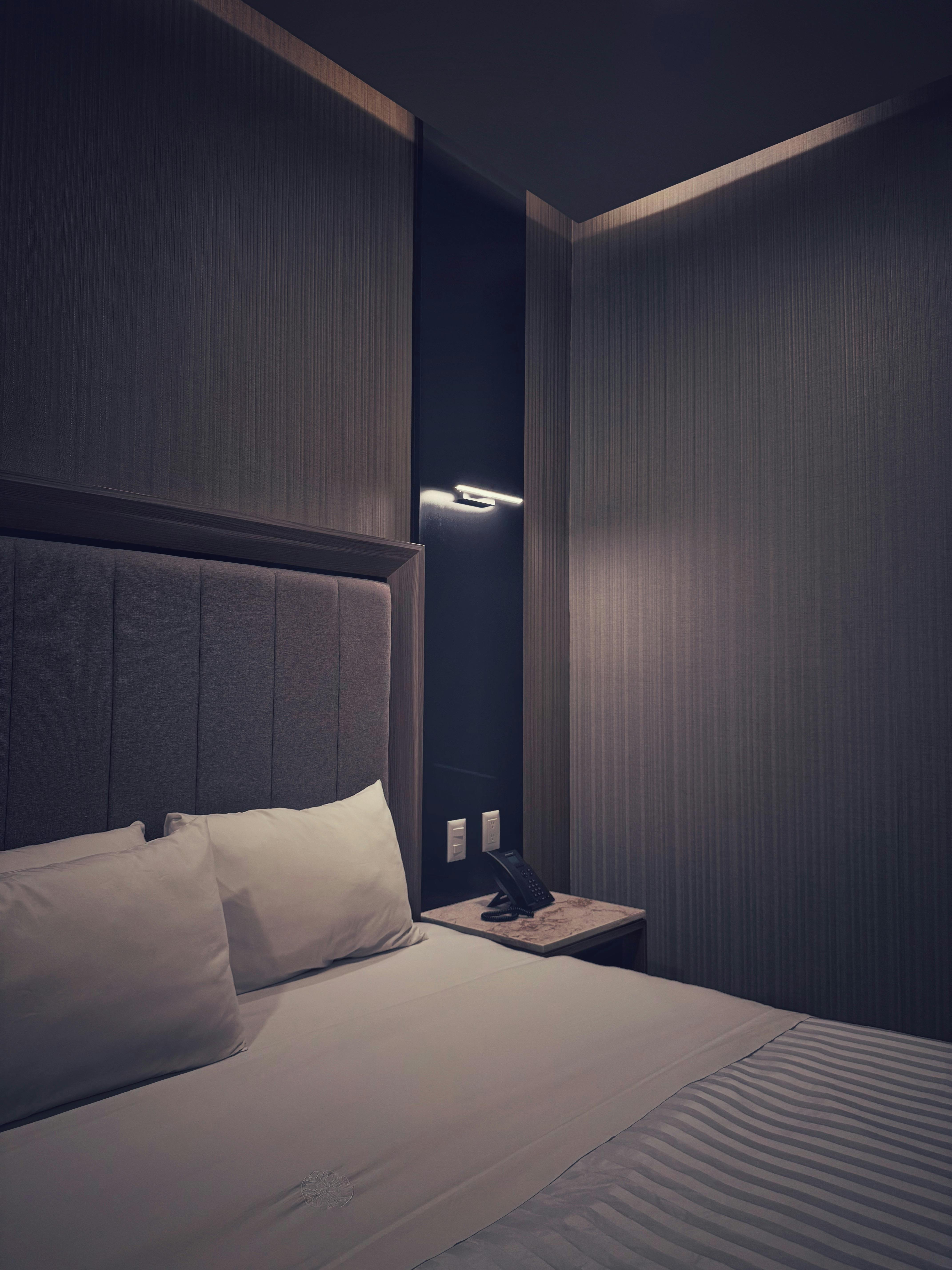
Hotel: A Good Stay Starts with a Short Commute and a Quiet Room
After a full travel day, your traveler doesn't want a hotel that's "nice." They want a hotel that works: close to where they need to be, aligned with their loyalty benefits, and set up to protect sleep.
Short Commute: The Underrated Business Travel Essential
Hotel proximity to the office or primary meeting location can define the whole trip—especially in cities where traffic is unpredictable. Always sanity-check the commute in the context of the city, and whether the traveler will have a car.
A simple way to think about it: Hotel → Coffee → Meeting → Dinner → Hotel. If each leg is painful, the trip feels longer than it is.
Choose Brands with Intention
If your traveler is loyal to a hotel group, staying within that ecosystem can unlock points, upgrades, and flexibility—plus faster issue resolution when something goes wrong.
Luxury
The Ritz-Carlton, St. Regis, JW Marriott, W Hotels, EDITION, The Luxury Collection, Waldorf Astoria, Conrad, LXR Hotels & Resorts, Park Hyatt, Alila, Miraval, Andaz, The Unbound Collection
Premium
Marriott Hotels, Sheraton, Westin, Renaissance, Le Méridien, Autograph Collection, Tribute Portfolio, Hilton Hotels & Resorts, Curio Collection, Canopy by Hilton, Signia by Hilton, Grand Hyatt, Hyatt Regency, Hyatt, Hyatt Centric
Select
Delta Hotels, Courtyard, Four Points, SpringHill Suites, Fairfield Inn, AC Hotels, Aloft, Moxy, DoubleTree, Hilton Garden Inn, Hampton, Tru by Hilton, Motto, Hyatt Place
Extended Stay
Residence Inn, TownePlace Suites, Element, Homewood Suites, Home2 Suites, Hyatt House
What Status Can Unlock
When status applies, it can meaningfully improve arrival, comfort, and flexibility:
- Recognition & rewards: points earning, bonus promotions, personalized service, faster issue resolution.
- Arrival & flexibility: early check-in, late checkout, priority check-in, and sometimes more flexible cancellation.
- Room experience: upgrades (when available), preferred locations, enhanced amenities, better views or room types.
- Comfort & convenience: breakfast, welcome amenities, facility access, housekeeping preferences.
Program references: Hilton Honors, World of Hyatt, Marriott Bonvoy.
Make Timing Work (Even When the Schedule Doesn't)
Meetings and flights don't always align with hotel check-in and check-out. A quick call—or a note on the reservation—can smooth out the edges:
- request early check-in or late checkout,
- arrange bag storage,
- ask about access to amenities when the room isn't ready, and
- use the concierge for practical options (workspaces, nearby services, local tips).
The Art of Sound Sleep
If your traveler sleeps poorly, everything else costs more—time, patience, and performance. When possible, request rooms:
- away from elevators and high-traffic areas,
- with the traveler's preferred bed type, and
- with known comfort preferences noted in both their booking profile and their membership profile.
"Home Away from Home": Build Consistency for Road Warriors
Frequent travelers benefit from a hotel setup that supports routine—comfort, productivity, and ease. Helpful factors to consider:
- Work: reliable Wi-Fi, a real desk, accessible outlets.
- Environment: quiet placement, temperature control, minimal street noise.
- Amenities: breakfast timing, gym access, laundry options, water/coffee availability.
- Logistics: rideshare pickup simplicity and an overall location that reduces decision fatigue.




Frequently Asked Questions
What's the difference between fare class and class of service?
Class of service is the cabin (first/business/economy). Fare class is the ticket's rules and benefits (changes, refunds, bags, seats, points), even within the same cabin.
What should I check before booking a flight for a traveler?
Refundability, cancellation/credit rules, changes, seat selection, baggage, points earning, and whether lounge or priority benefits apply for that itinerary.
Which traveler profile details improve the airport experience?
Known Traveler Number (KTN), Redress Number (if applicable), and ensuring TSA PreCheck/NEXUS eligibility is correctly attached so it can show on the boarding pass.
What matters most when choosing a hotel for a business trip?
Commute time is often the biggest lever—followed by sleep quality (quiet room placement) and loyalty alignment that supports flexibility and recognition.